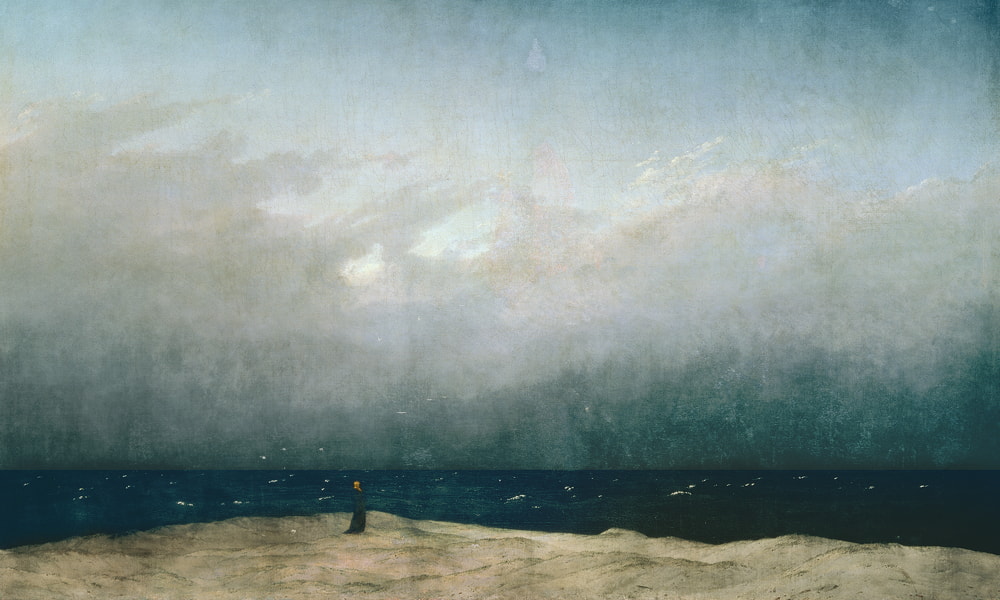
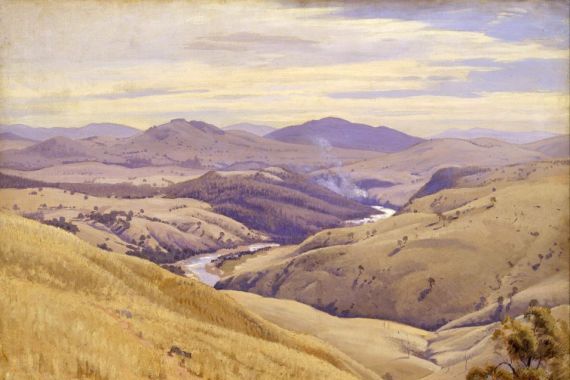
When you think of New Zealand, images of endless emerald green hills, dramatic coastlines and a light so clear and penetrating that it makes even the shadows glow immediately spring to mind. This unmistakable brightness, the interplay of mist and sun, of lush green and deep blue, has characterised New Zealand art from the very beginning. The country's painting is imbued with a longing for vastness, for capturing the fleeting, for visualising the forces of nature and stillness at the same time. But behind this apparent idyll lies an artistic dynamic that is always characterised by contrasts: between tradition and modernity, between European heritage and indigenous identity, between isolation and global networking.
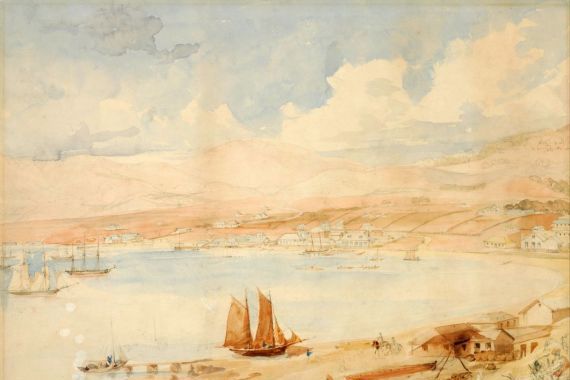
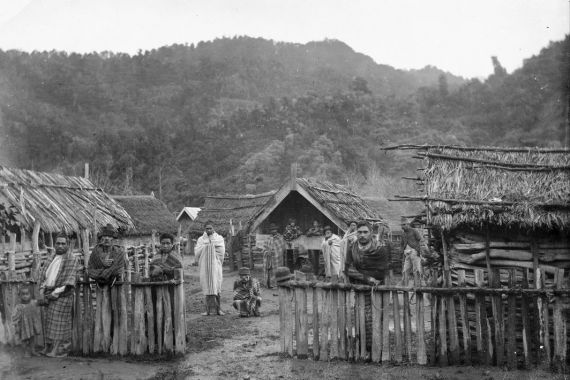
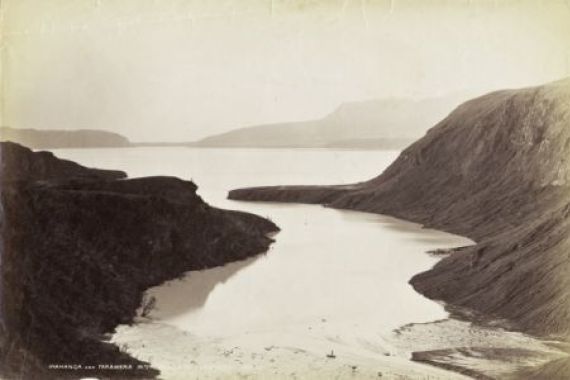
A look at New Zealand's art history is like opening a window and letting in a breath of fresh air. The early European settlers, fascinated by the alien landscape, took to watercolours and sketchbooks to capture the unknown. Charles Heaphy, for example, a pioneer of landscape painting, captured the majestic fjords and volcanoes with fine strokes and bright colours - but there was always an air of awe and strangeness. At the same time, the Māori continued to develop their own visual language: in filigree drawings and ornamental patterns, for example in the famous Kōwhaiwhai paintings, they told of ancestors, myths and the deep connection with the land. These patterns, originally on wood and fabric, later found their way onto paper and canvas - a fascinating dialogue between tradition and contemporary art.
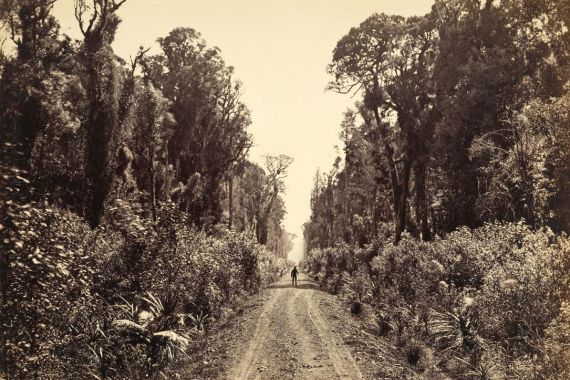
The 20th century brought movement to the scene: artists such as Rita Angus and Colin McCahon ventured into new forms of expression. Angus' portraits and landscapes have an almost meditative clarity, as if she wanted to expose the soul of the land. McCahon, on the other hand, experimented with writing, symbols and abstract forms; his works are like visual poems that pose questions about spirituality and identity. It is surprising how early photography found recognition as an artistic medium in New Zealand: Robin Morrison, for example, travelled through remote villages with his camera and captured the everyday - rusty fences, abandoned petrol stations, the light on a wet road. His pictures tell of melancholy and hope, of the beauty of the unremarkable.
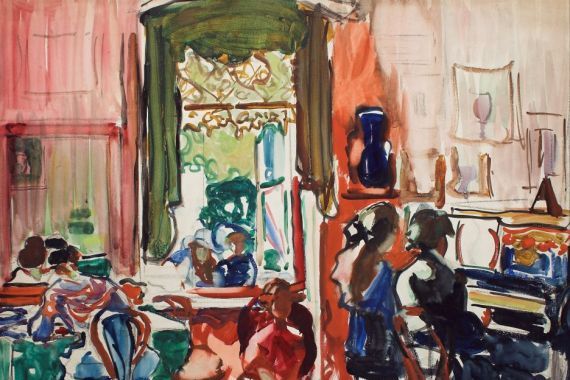
Today, the New Zealand art scene pulsates between the poles of urbanity and wilderness. Artists such as Robyn Kahukiwa interweave Māori traditions with contemporary themes in their paintings, while printmaking - for example in the works of Shane Cotton - becomes a field of experimentation for cultural identity. New Zealand art is a kaleidoscope: it reflects the diversity of landscapes, the depth of stories and the power of encounters. Those who engage with it discover not just images, but entire worlds - full of light, shadow and surprising nuances.
When you think of New Zealand, images of endless emerald green hills, dramatic coastlines and a light so clear and penetrating that it makes even the shadows glow immediately spring to mind. This unmistakable brightness, the interplay of mist and sun, of lush green and deep blue, has characterised New Zealand art from the very beginning. The country's painting is imbued with a longing for vastness, for capturing the fleeting, for visualising the forces of nature and stillness at the same time. But behind this apparent idyll lies an artistic dynamic that is always characterised by contrasts: between tradition and modernity, between European heritage and indigenous identity, between isolation and global networking.
A look at New Zealand's art history is like opening a window and letting in a breath of fresh air. The early European settlers, fascinated by the alien landscape, took to watercolours and sketchbooks to capture the unknown. Charles Heaphy, for example, a pioneer of landscape painting, captured the majestic fjords and volcanoes with fine strokes and bright colours - but there was always an air of awe and strangeness. At the same time, the Māori continued to develop their own visual language: in filigree drawings and ornamental patterns, for example in the famous Kōwhaiwhai paintings, they told of ancestors, myths and the deep connection with the land. These patterns, originally on wood and fabric, later found their way onto paper and canvas - a fascinating dialogue between tradition and contemporary art.
The 20th century brought movement to the scene: artists such as Rita Angus and Colin McCahon ventured into new forms of expression. Angus' portraits and landscapes have an almost meditative clarity, as if she wanted to expose the soul of the land. McCahon, on the other hand, experimented with writing, symbols and abstract forms; his works are like visual poems that pose questions about spirituality and identity. It is surprising how early photography found recognition as an artistic medium in New Zealand: Robin Morrison, for example, travelled through remote villages with his camera and captured the everyday - rusty fences, abandoned petrol stations, the light on a wet road. His pictures tell of melancholy and hope, of the beauty of the unremarkable.
Today, the New Zealand art scene pulsates between the poles of urbanity and wilderness. Artists such as Robyn Kahukiwa interweave Māori traditions with contemporary themes in their paintings, while printmaking - for example in the works of Shane Cotton - becomes a field of experimentation for cultural identity. New Zealand art is a kaleidoscope: it reflects the diversity of landscapes, the depth of stories and the power of encounters. Those who engage with it discover not just images, but entire worlds - full of light, shadow and surprising nuances.
 ×
×







 Passionate Customer Service

 +43 4257 29415
 support@meisterdrucke.com
 Mo-Do: 7:00 - 16:00 | Fr: 7:00 - 13:00