support@meisterdrucke.com  ·  0043 4257 29415

Deutsch English Italiano Español Français Nederlands Português Svenska Polski Dansk
Search by artist, work title or style – e.g. Monet, Starry Night, Impressionism, Hokusai wave, nude. Describe the scene – e.g. green meadow, abstract with lots of red, dark oil painting, standing nude next to a tree.
Discover 1 artists from Bolivia

Vivid hues and ancient myths blend in artworks that echo Bolivia’s landscapes and living traditions.


Discover artists now!
Österreichische Kunstmanufaktur Erfahrungen & Bewertungen zu Meisterdrucke auf ProvenExpert.com

Discover 1 artists from Bolivia

Vivid hues and ancient myths blend in artworks that echo Bolivia’s landscapes and living traditions.

Discover artists now!
Artists from Around the World – Country Overview
Passionate Customer Service
Museum Quality Art Prints
Individual Customization Options
Österreichische Kunstmanufaktur Passionate Customer Service
Museum Quality Art Prints
Individual Customization Options


Artists from Bolivia, Plurinational State of – From Classical Masters to Modern Art

Artists from Bolivia, Plurinational State of – From Classical Masters to Modern Art

Artists Shaped by Mountains and Myths

Page 1 / 1


Imagine you are standing on the Altiplano in the early morning, while wafts of mist drift across the barren landscape like delicate watercolour veils. At this moment, time seems to stand still - and yet beneath the surface pulsates an artistic heritage that is as complex as the colours of the Bolivian earth. Bolivia, a country often associated with its spectacular landscapes and pre-Columbian ruins, harbours a fascinating history of painting, graphic art and photography in its studios, markets and in the hands of its artists that goes far beyond the obvious.


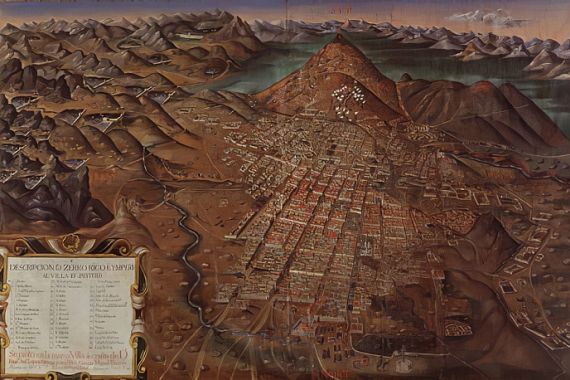
Anyone looking at Bolivian art history will encounter an exciting dialogue between ancient traditions and modern forms of expression. The first artistic traces can be found not only in rock paintings, but also in the transmission of patterns and symbols that later reappear in watercolours and oil paintings. It is particularly impressive how indigenous motifs and colonial influences merge in the country's painting. During the colonial period, paintings were created in the workshops of Potosí and La Paz that appear European at first glance, but on closer inspection tell of a subtle rebellion: The artists secretly smuggled local plants, animals and even indigenous faces into the religious scenes - a silent protest captured in oil and tempera. This "andinisation" of painting, as art historians call it, is a fascinating example of cultural self-assertion on canvas.


The 20th century marked the beginning of an artistic emancipation in Bolivia, which is reflected in the diversity of techniques and themes. The painter Marina Núñez del Prado, whose sketches and gouaches are often overlooked, experimented with forms and colours that seem to capture the Bolivian light. At the same time, Cecilio Guzmán de Rojas ventured into a new visual language in which indigenous identity and social reality collide. His portraits and landscapes, often in strong, earthy colours, seem like windows into a world in which past and present are inextricably linked. Finally, in the 1960s, photography revolutionised the Bolivian art scene: artists such as Gastón Ugalde used the medium to blur the boundaries between documentation and art with surreal stagings and experimental techniques. Ugalde's famous series of photographs, in which he uses the Salar de Uyuni as an endless canvas, is a prime example of the creative power that emerges from the Bolivian landscape.


But Bolivia's art is not only characterised by big names. On the streets of Cochabamba and Santa Cruz, new prints, drawings and collages are created every day that address current social issues - from environmental issues to political upheavals. Particularly exciting is the scene of young urban artists who are using screen printing and street art to develop a new, rebellious visual language and thus challenge the traditional understanding of art. Their works are often fleeting, but that is precisely why they are so powerful: they reflect the dynamism of a country that is constantly reinventing itself.


Bolivian art history is thus a kaleidoscope of colours, forms and stories - a living testimony to the creative energy of a country that is never satisfied with simple answers. Those who embark on this journey will not only discover impressive works of art, but also the subtle nuances that make Bolivia one of the most exciting art countries in South America.

Imagine you are standing on the Altiplano in the early morning, while wafts of mist drift across the barren landscape like delicate watercolour veils. At this moment, time seems to stand still - and yet beneath the surface pulsates an artistic heritage that is as complex as the colours of the Bolivian earth. Bolivia, a country often associated with its spectacular landscapes and pre-Columbian ruins, harbours a fascinating history of painting, graphic art and photography in its studios, markets and in the hands of its artists that goes far beyond the obvious.


Anyone looking at Bolivian art history will encounter an exciting dialogue between ancient traditions and modern forms of expression. The first artistic traces can be found not only in rock paintings, but also in the transmission of patterns and symbols that later reappear in watercolours and oil paintings. It is particularly impressive how indigenous motifs and colonial influences merge in the country's painting. During the colonial period, paintings were created in the workshops of Potosí and La Paz that appear European at first glance, but on closer inspection tell of a subtle rebellion: The artists secretly smuggled local plants, animals and even indigenous faces into the religious scenes - a silent protest captured in oil and tempera. This "andinisation" of painting, as art historians call it, is a fascinating example of cultural self-assertion on canvas.


The 20th century marked the beginning of an artistic emancipation in Bolivia, which is reflected in the diversity of techniques and themes. The painter Marina Núñez del Prado, whose sketches and gouaches are often overlooked, experimented with forms and colours that seem to capture the Bolivian light. At the same time, Cecilio Guzmán de Rojas ventured into a new visual language in which indigenous identity and social reality collide. His portraits and landscapes, often in strong, earthy colours, seem like windows into a world in which past and present are inextricably linked. Finally, in the 1960s, photography revolutionised the Bolivian art scene: artists such as Gastón Ugalde used the medium to blur the boundaries between documentation and art with surreal stagings and experimental techniques. Ugalde's famous series of photographs, in which he uses the Salar de Uyuni as an endless canvas, is a prime example of the creative power that emerges from the Bolivian landscape.


But Bolivia's art is not only characterised by big names. On the streets of Cochabamba and Santa Cruz, new prints, drawings and collages are created every day that address current social issues - from environmental issues to political upheavals. Particularly exciting is the scene of young urban artists who are using screen printing and street art to develop a new, rebellious visual language and thus challenge the traditional understanding of art. Their works are often fleeting, but that is precisely why they are so powerful: they reflect the dynamism of a country that is constantly reinventing itself.


Bolivian art history is thus a kaleidoscope of colours, forms and stories - a living testimony to the creative energy of a country that is never satisfied with simple answers. Those who embark on this journey will not only discover impressive works of art, but also the subtle nuances that make Bolivia one of the most exciting art countries in South America.


What our customers think about us


Frequently Asked Questions about Meisterdrucke


Personalizing your art print at Meisterdrucke is simple and intuitive: Choose a frame, set the image size, pick a printing medium, and add suitable glazing or a stretcher frame. We also offer additional customization options like mats, fillets, and spacers. If you have any questions, our customer service team is ready to help you create your perfect artwork.

At Meisterdrucke, you can visualize your configured artwork directly in your own room. Simply upload a photo of your space and see how the artwork looks in it. If you're visiting us on a mobile device — phone or tablet — our augmented reality feature brings the picture to life and projects it right into your room. A unique experience that combines art and technology.

Choosing the right medium is often a matter of personal taste. To give you a better idea, we've provided some images for each medium. We also offer a sample set of all paper variants, so you can decide not just visually but by touch as well. You can order the sample set free of charge — only shipping costs apply.

Don't worry! At Meisterdrucke, we don't just process orders mechanically. Every order is manually reviewed by our team. If we spot any inconsistencies or issues with your configuration, we'll get in touch with you right away. And of course, our friendly and patient support team is always here to help you with your configuration. We'll work with you by phone or email to adjust your image so the final result is exactly what you had in mind.


Still have questions?

Are you interested in an art print from our manufactory but still unsure? Do you need advice on choosing the medium or help with the order?

Our experts are happy to assist you.

+43 4257 29415
support@meisterdrucke.com
Mo-Do: 7:00 - 16:00 | Fr: 7:00 - 13:00

Still have questions?

Are you interested in an art print from our manufactory but still unsure? Do you need advice on choosing the medium or help with the order?

Our experts are happy to assist you.

+43 4257 29415
support@meisterdrucke.com
Mo-Do: 7:00 - 16:00 | Fr: 7:00 - 13:00


Meisterdrucke

   Kärntner Strasse 46
        9586 Finkenstein am Faaker See
        Austria
        +43 4257 29415
        support@meisterdrucke.com
Other languages

                   
Erfahrungen & Bewertungen zu Meisterdrucke
Post.at DHL Express Quehenberger Cargoboard
Kaiser Franz Joseph

Meisterdrucke
Kärntner Strasse 46
9586 Finkenstein am Faaker See · Austria
+43 4257 29415 · support@meisterdrucke.com
Post.at DHL Express Quehenberger Cargoboard


(c) 2026 meisterdrucke.uk