support@meisterdrucke.com  ·  0043 4257 29415

Deutsch English Italiano Español Français Nederlands Português Svenska Polski Dansk
Search by artist, work title or style – e.g. Monet, Starry Night, Impressionism, Hokusai wave, nude. Describe the scene – e.g. green meadow, abstract with lots of red, dark oil painting, standing nude next to a tree.

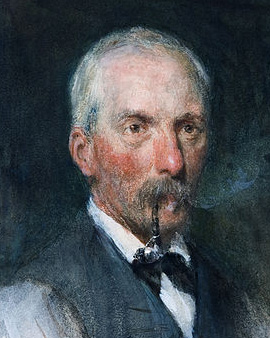
Feel the passion of Jan Hendrik Weissenbruch in our art prints.

Our art reproductions bring moments of comfort and joy right into your home.


Discover artworks now!
Österreichische Kunstmanufaktur Erfahrungen & Bewertungen zu Meisterdrucke auf ProvenExpert.com

Feel the passion of Jan Hendrik Weissenbruch in our art prints.

Our art reproductions bring moments of comfort and joy right into your home.

Discover artworks now!
Jan Hendrik Weissenbruch
Passionate Customer Service
Museum Quality Art Prints
Individual Customization Options
Österreichische Kunstmanufaktur Passionate Customer Service
Museum Quality Art Prints
Individual Customization Options
Jan Hendrik Weissenbruch

Jan Hendrik Weissenbruch

    June 19, 1824   -   March 24, 1903
Nonclassified artists   •   Wikipedia: Jan Hendrik Weissenbruch

In the three decades between 1860 and 1890, the painters of the so-called Hague School made a name for themselves in the Netherlands. The realists often used rather gloomy colours, with one exception: Jan Hendrik Weissenbruch is regarded as a watercolour painter who, with his landscapes and the depictions of a grandiose and cloudy horizon, is still widely admired today.

Weissenbruch, whose real first names Hendrik Johannes were changed into Jan Hendrik, came from the artist family Johannes Weissenbruch and Johanna Hendrika Zaag, in whose household patronage and own painting work were of great importance. The Weissenbruchs' art collection included works by Andreas Schelfhout and Bartholomeus van Hove. Weissenbruch's cousins Jan, Frederik Hendrik and Frederik Johann also made a name for themselves in the Dutch art scene as painters of urban motifs, lithographers and engravers. When Jan Hendrik was 16 years old, he took painting lessons with Bartholomeus van Hove and Johannes Low at the Hague Academy of Art. During the day, Weissenbruch worked alongside Salomon Verveer and Johannes Bosboom in Van Hove's studio, mainly on scenery paintings for the Dutch Royal Theatre.

As a renowned representative of romantic landscape painting Andreas Schelfhout had a strong influence on Weissenbruch's early work. In addition, his detailed landscape depictions were complemented by magnificent sky panoramas, which reveal Weissenbruch's great admiration for Jacob van Ruisdael from the 17th century. Nevertheless, he learned very quickly to perfect his own painting style. In 1847 Jan Hendrik Weissenbruch exhibited his own works for the first time at the Living Masters exhibition. He was also co-founder of the Pulchri Studios in The Hague, which is still considered an association of important painters, photographers and sculptors today. Although the renowned Teylers Museum in Haarlem had acquired one of his panoramic paintings at this time, it was to take until the end of the 1880s before Weissenbruch received comprehensive public recognition. By then he had developed further from a painter of Dutch Romanticism to a protagonist of the Hague School. His depictions of the sea and dunes bask in the dense light of the wide sky, with all watercolours and some oil paintings painted with free, delicate brushstrokes.

He preferred to paint directly in the open nature. Jan Hendrik Weissenbruch became increasingly reluctant to use the colours for maritime motifs, and applied them broadly and loosely. This gave the depictions a more atmospheric quality and the master came to the conclusion that sky and light are responsible for the magic of a landscape painting. Personally, Weissenbruch was considered a man of direct speech: In Dutch art circles he was known as the "sword without mercy". For example, he had once judged the first paintings Vincent van Goghs at the direct request of the landscape painter Anton Mauve and recommended him to draw less with watercolors and more with a pen - the pen drawings were then among van Gogh's first successes.

In the last two decades of his life, Jan Hendrik Weissenbruch had reached the absolute peak of his artistic output. His watercolors and oil paintings also attracted great attention internationally, and they became especially popular in Canada and France. Today his great paintings are shown in the Rijksmuseum Amsterdam, the Gemeentemuseum Den Haag or the Groninger Museum, among others.

Jan Hendrik Weissenbruch

    June 19, 1824   -   March 24, 1903
Nonclassified artists   •   Wikipedia: Jan Hendrik Weissenbruch Jan Hendrik Weissenbruch

In the three decades between 1860 and 1890, the painters of the so-called Hague School made a name for themselves in the Netherlands. The realists often used rather gloomy colours, with one exception: Jan Hendrik Weissenbruch is regarded as a watercolour painter who, with his landscapes and the depictions of a grandiose and cloudy horizon, is still widely admired today.

Weissenbruch, whose real first names Hendrik Johannes were changed into Jan Hendrik, came from the artist family Johannes Weissenbruch and Johanna Hendrika Zaag, in whose household patronage and own painting work were of great importance. The Weissenbruchs' art collection included works by Andreas Schelfhout and Bartholomeus van Hove. Weissenbruch's cousins Jan, Frederik Hendrik and Frederik Johann also made a name for themselves in the Dutch art scene as painters of urban motifs, lithographers and engravers. When Jan Hendrik was 16 years old, he took painting lessons with Bartholomeus van Hove and Johannes Low at the Hague Academy of Art. During the day, Weissenbruch worked alongside Salomon Verveer and Johannes Bosboom in Van Hove's studio, mainly on scenery paintings for the Dutch Royal Theatre.

As a renowned representative of romantic landscape painting Andreas Schelfhout had a strong influence on Weissenbruch's early work. In addition, his detailed landscape depictions were complemented by magnificent sky panoramas, which reveal Weissenbruch's great admiration for Jacob van Ruisdael from the 17th century. Nevertheless, he learned very quickly to perfect his own painting style. In 1847 Jan Hendrik Weissenbruch exhibited his own works for the first time at the Living Masters exhibition. He was also co-founder of the Pulchri Studios in The Hague, which is still considered an association of important painters, photographers and sculptors today. Although the renowned Teylers Museum in Haarlem had acquired one of his panoramic paintings at this time, it was to take until the end of the 1880s before Weissenbruch received comprehensive public recognition. By then he had developed further from a painter of Dutch Romanticism to a protagonist of the Hague School. His depictions of the sea and dunes bask in the dense light of the wide sky, with all watercolours and some oil paintings painted with free, delicate brushstrokes.

He preferred to paint directly in the open nature. Jan Hendrik Weissenbruch became increasingly reluctant to use the colours for maritime motifs, and applied them broadly and loosely. This gave the depictions a more atmospheric quality and the master came to the conclusion that sky and light are responsible for the magic of a landscape painting. Personally, Weissenbruch was considered a man of direct speech: In Dutch art circles he was known as the "sword without mercy". For example, he had once judged the first paintings Vincent van Goghs at the direct request of the landscape painter Anton Mauve and recommended him to draw less with watercolors and more with a pen - the pen drawings were then among van Gogh's first successes.

In the last two decades of his life, Jan Hendrik Weissenbruch had reached the absolute peak of his artistic output. His watercolors and oil paintings also attracted great attention internationally, and they became especially popular in Canada and France. Today his great paintings are shown in the Rijksmuseum Amsterdam, the Gemeentemuseum Den Haag or the Groninger Museum, among others.

Artworks by Jan Hendrik Weissenbruch

Artworks by Jan Hendrik Weissenbruch

13 artworks found
Sort by

Filter settings

Display settings
13 artworks found

Jan Hendrik Weissenbruch
 
1870 | oil on canvas

Choose picture
Jan Hendrik Weissenbruch
Choose picture


Jan Hendrik Weissenbruch
View of Haarlem from the Dunes, ...
Undated | watercolour

Choose picture

Jan Hendrik Weissenbruch
 
1851 | oil on canvas

Choose picture

Jan Hendrik Weissenbruch
Strandszene. 1887
Undated | oil on canvas

Choose picture
Jan Hendrik Weissenbruch
Choose picture


Jan Hendrik Weissenbruch
Stadttor in Leerdam. Um 1868-70
Undated | oil on canvas

Choose picture

Jan Hendrik Weissenbruch
Waldlichtung nahe Barbizon. 1900
Undated | oil on canvas

Choose picture

Jan Hendrik Weissenbruch
Der Trekvliet Kanal nahe Rijswij...
Undated | oil on wood

Choose picture

Jan Hendrik Weissenbruch
Zugbrücke in Noorden. Um 1890
Undated | watercolor

Choose picture

Jan Hendrik Weissenbruch
Landschaft mit Windmühle bei Sch...
Undated | oil on canvas

Choose picture

Jan Hendrik Weissenbruch
Shell cart
1890 | Oil on panel

Choose picture
Jan Hendrik Weissenbruch
Choose picture


Jan Hendrik Weissenbruch
Die Mühle
Undated | oil on wood

Choose picture
Jan Hendrik Weissenbruch
Choose picture


Jan Hendrik Weissenbruch
Beach scene
1887 | oil on canvas

Choose picture
Jan Hendrik Weissenbruch
Choose picture


Jan Hendrik Weissenbruch
Polderlandschaft
1875 | painting

Choose picture
Jan Hendrik Weissenbruch
Choose picture


Page 1 / 1


What our customers think about us


Frequently Asked Questions about Meisterdrucke


Personalizing your art print at Meisterdrucke is simple and intuitive: Choose a frame, set the image size, pick a printing medium, and add suitable glazing or a stretcher frame. We also offer additional customization options like mats, fillets, and spacers. If you have any questions, our customer service team is ready to help you create your perfect artwork.

At Meisterdrucke, you can visualize your configured artwork directly in your own room. Simply upload a photo of your space and see how the artwork looks in it. If you're visiting us on a mobile device — phone or tablet — our augmented reality feature brings the picture to life and projects it right into your room. A unique experience that combines art and technology.

Choosing the right medium is often a matter of personal taste. To give you a better idea, we've provided some images for each medium. We also offer a sample set of all paper variants, so you can decide not just visually but by touch as well. You can order the sample set free of charge — only shipping costs apply.

Don't worry! At Meisterdrucke, we don't just process orders mechanically. Every order is manually reviewed by our team. If we spot any inconsistencies or issues with your configuration, we'll get in touch with you right away. And of course, our friendly and patient support team is always here to help you with your configuration. We'll work with you by phone or email to adjust your image so the final result is exactly what you had in mind.


Still have questions?

Are you interested in an art print from our manufactory but still unsure? Do you need advice on choosing the medium or help with the order?

Our experts are happy to assist you.

+43 4257 29415
support@meisterdrucke.com
Mo-Do: 7:00 - 16:00 | Fr: 7:00 - 13:00
Still have questions?

Are you interested in an art print from our manufactory but still unsure? Do you need advice on choosing the medium or help with the order?

Our experts are happy to assist you.

+43 4257 29415
support@meisterdrucke.com
Mo-Do: 7:00 - 16:00 | Fr: 7:00 - 13:00


Meisterdrucke

   Kärntner Strasse 46
        9586 Finkenstein am Faaker See
        Austria
        +43 4257 29415
        support@meisterdrucke.com
Other languages

                   
Erfahrungen & Bewertungen zu Meisterdrucke
Post.at DHL Express Quehenberger Cargoboard
Kaiser Franz Joseph

Meisterdrucke
Kärntner Strasse 46
9586 Finkenstein am Faaker See · Austria
+43 4257 29415 · office@meisterdrucke.com
Post.at DHL Express Quehenberger Cargoboard


(c) 2026 meisterdrucke.uk